 X
X
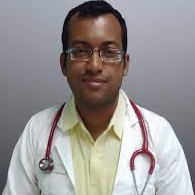
DR PRANJAL DEKA
Gastroenterologist
- Fees: INR 700
-
Monday 9:00 AM - 11:00 AM, 5:30 PM - 7:00 PM
(See all timing)Monday 9:00 AM - 11:00 AM, 5:30 PM - 7:00 PM,
Tuesday 9:00 AM - 11:00 AM, 5:30 PM - 7:00 PM,
Wednesday 9:00 AM - 11:00 AM, 5:30 PM - 7:00 PM,
Thursday 9:00 AM - 11:00 AM, 5:30 PM - 7:00 PM,
Friday 9:00 AM - 11:00 AM, 5:30 PM - 7:00 PM
Introduction
Dr Pranjal Deka is one of the best Gastroenterologist in Guwahati and is currently associated with Apollo Hospital Guwahati.
Hospital Associations
Apollo Hospital Guwahati
Services/Interest
- Acute Pancreatitis Treatment
- Abdominal Pain Treatment
- Gastritis Treatment
- ERCP
- Liver resection
- Steatosis
- Hepatitis E Treatment
- Colitis Treatment
- Liver Surgery
- Constipation Treatment
- Liver Disease Treatment
- Piles Treatment
- Splenectomy
- Irritable Bowel Syndrome Treatment
- Gastrointestinal Endoscopic Mucosal Resection
Experience
Dr Pranjal Deka is one of the best Gastroenterologist in Guwahati and has a total experience of 10 years.
Professional Memberships
Association of Surgeons of India (ASI). International Hepato-Pancreato Biliary Association -IHPBA. Association of surgeons of Assam. Indian Association Of Surgical Gastroenterology.
Awards and Recognitions
Gold Medal in Surgery - 2004. Best Paper Award in IASGO IASG Conference - 2012. Bursary Award of IASG - 2012.
Education
Dr Pranjal Deka completed his MBBS from Manipur University in year 2005. Dr Pranjal Deka completed his MS in General Surgery from Chhatrapati Shahu Ji Maharaj University, Kanpur in year 2008. Dr Pranjal Deka completed his MCh in Hepato Pancreato Biliary Surgery - ILBS, New Delhi in year 2013.
I Speak
English, Hindi, Assamese
Feedback For Dr Pranjal Deka
Write FeedbackApollo Hospital Guwahati Timing
Monday - Friday
9:00 AM - 11:00 AM, 5:30 PM - 7:00 PM
Who is a gastroenterologist?
Gastroenterologists are the physicians who have extensive training in the diagnosis and treatment of conditions that affect the large intestine, small intestine, stomach, esophagus, and biliary system which is made up of liver, pancreas, gallbladder, bile ducts.
What does a gastroenterologist do?
Gastroenterologist primarily assesses the structure of the digestive tract and are experts in diseases of the digestive tract.
They specialize in the evaluation, diagnosis, and treatment of the following symptoms and conditions: Abdominal pain, bleeding in the digestive tract, colorectal cancer, stomach cancer, pancreatic cancer, liver cancer, constipation and diarrhea, difficulty swallowing, polyps, diverticular disease, Crohn's disease, gallbladder disease, irritable bowel syndrome (IBS), colitis, heartburn, GERD (gastroesophageal reflux disease), hemorrhoids, stomach upset, nausea, vomiting, and ulcers.
When should you see a gastroenterologist?
You should see a gastroenterologist if you're experiencing any of the following symptoms:
- Abdominal pain or bloating
- Bowel movement urges that are hard to control
- Changes in bowel habits
- Dark urine
- Diarrhea
- Esophageal pain
- Excessive gas or belching
- Heartburn (acid reflux)
- Leakage/underwear stains
- Lethargy
- Loss of appetite or weight
- Pale-colored stools
- Rectal bleeding
- Vomiting
What diseases do Gastroenterologists treat?
A gastroenterologist treats any condition affecting the gut, such as:
- Oesophagitis, gastritis, peptic ulcer disease, and duodenal ulceration.
- Inflammatory bowel disease like Crohn’s disease.
- Malignancy (cancer) and benign (non-cancerous) tumors of the gut.
- Hepatitis
- Hiatal hernia
- Irritable bowel syndrome (IBS)
- Liver disease
What procedures do gastroenterologists perform?
Endoscopic ultrasounds to examine the upper and lower tract and other internal organs. Colonoscopies to detect colon cancer. Cholangiopancreatography to identify tumors, gallstones, or scar tissue in the bile duct area. Sigmoidoscopies to evaluate blood loss in the bowel. Liver biopsies to assess fibrosis and inflammation. Capsule endoscopies to examine the small intestine. Double balloon enteroscopy to examine the small intestine.
What happens in your first appointment with a gastroenterologist?
Your gastroenterologist will begin by asking you about the symptoms you have been getting, the duration of the symptoms, any previous tests, and treatments, risk factors, other medical problems, medications, allergies, and social history and will conduct an examination and provide a list of tests.